Room of the Mosaic
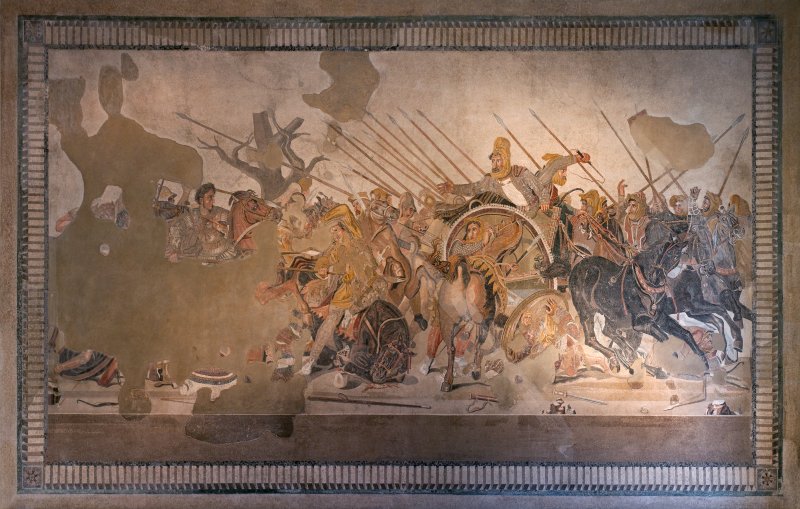
Housed in its own dedicated hall, the mosaic is displayed on a wall to allow for a direct, frontal view of its intricate composition.
Step back ten paces to appreciate the depth and perspective.
The Alexander Mosaic stands as the Naples National Archaeological Museum's most important single artifact—a Roman floor mosaic depicting the Battle of Issus in over one million tesserae. Recovered from Pompeii's House of the Faun in 1831, it occupies its own climate-controlled hall on the mezzanine level. Visitors planning their museum route prioritize this work above all other holdings.
Quick answer
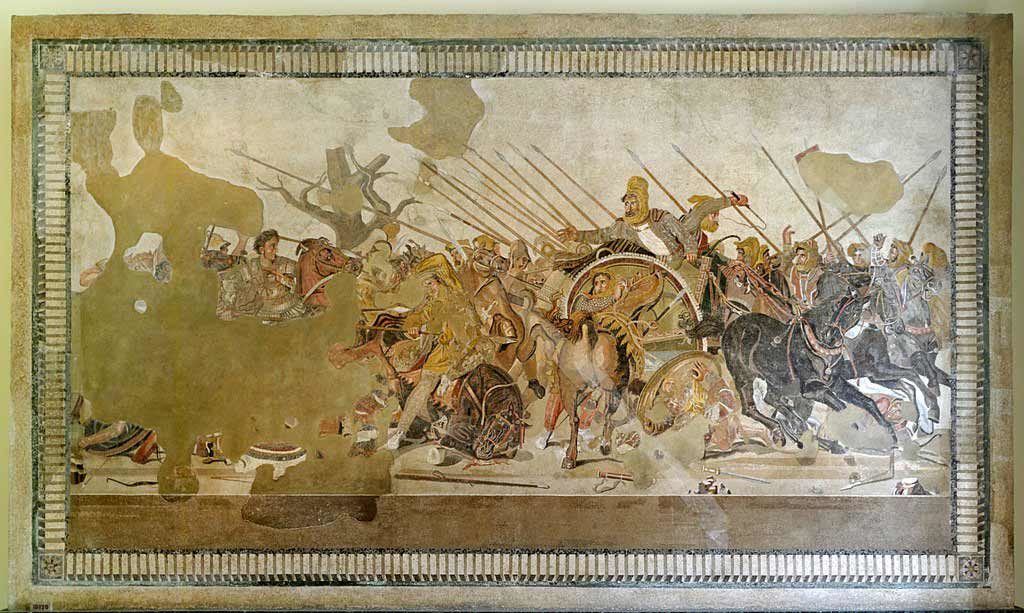
The Naples National Archaeological Museum Alexander Mosaic is displayed in a dedicated room on the mezzanine floor, accessible with general admission at 20 EUR per person. The museum opens at 09:00 on all days except Tuesday, when it remains closed. The mosaic measures 2.72 by 5.13 meters and depicts Alexander the Great confronting Darius III at the Battle of Issus in 333 BCE, rendered in approximately 1.5 million individual stone and glass tiles.
The mosaic survived Vesuvius only because volcanic ash sealed it beneath six meters of pumice in the House of the Faun's exedra, preserving colors that would have faded in sunlight. When excavators lifted the floor panels in 1831, they found a composition so complex that scholars initially doubted Roman craftsmen could have produced it—the work's perspectival depth, emotional intensity, and tonal range suggested a direct copy of a lost Hellenistic painting, likely by Philoxenos of Eretria. Every tessera was cut by hand to fit its contour. The artist used no grout lines within figures, relying instead on color transitions to model flesh, fabric, and metal. Alexander charges from the left without a helmet, his face turned toward Darius, whose charioteer whips the horses into retreat. A fallen Persian soldier reflects the chaos in the polished surface of his shield—a detail requiring thumbnail-sized stone fragments to resolve. The tesserae themselves came from across the Mediterranean: Egyptian blue glass, Anatolian limestone, African marble, each selected for its exact hue. The mosaic occupied the museum's ground floor for a century before engineers built a mezzanine gallery to reduce vibration from foot traffic. Ultraviolet-filtered lighting now protects the surface while allowing visitors to study the expressions of individual soldiers. The viewing rail stands three meters back; binoculars help resolve the smallest details. Most visitors allocate fifteen to thirty minutes here, though the museum's audio guide includes a twelve-minute commentary tracking the composition from left to right. The House of the Faun itself, where the naples national archaeological museum alexander mosaic once anchored a floor, remains visitable in Pompeii as an empty footprint. Seeing both sites in sequence—the mosaic in Naples, then the space it originally occupied—clarifies the scale of Roman domestic luxury and the priorities that guided nineteenth-century archaeological removals. The museum's Pompeii halls on the ground floor place the mosaic in wider context, displaying frescoes, bronzes, and everyday objects from the same eruption.
“The artist used no grout lines within figures, relying instead on color transitions to model flesh, fabric, and metal.”
The Alexander Mosaic stands as the centerpiece of the Naples National Archaeological Museum, representing one of the most sophisticated examples of ancient Roman mosaic art. Originally discovered in the House of the Faun in Pompeii, this monumental work illustrates the Battle of Issus between Alexander the Great and Darius III.
Housed in its own dedicated hall, the mosaic is displayed on a wall to allow for a direct, frontal view of its intricate composition.
Step back ten paces to appreciate the depth and perspective.
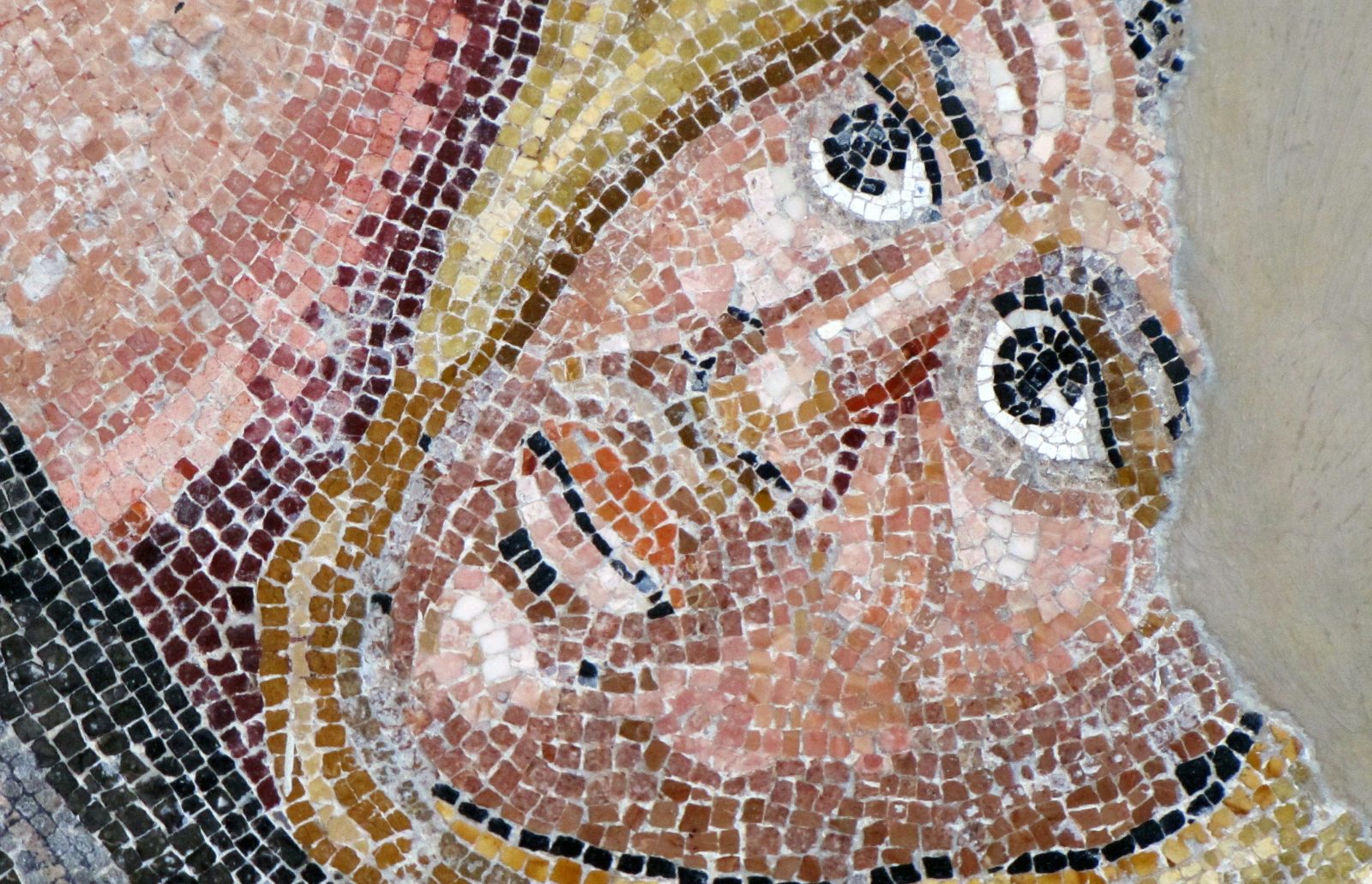
Composed of over one million tiny stone and glass tesserae, the artwork captures complex expressions, anatomical details, and subtle color gradients.
Look closely at the horses to see the nuanced shading.
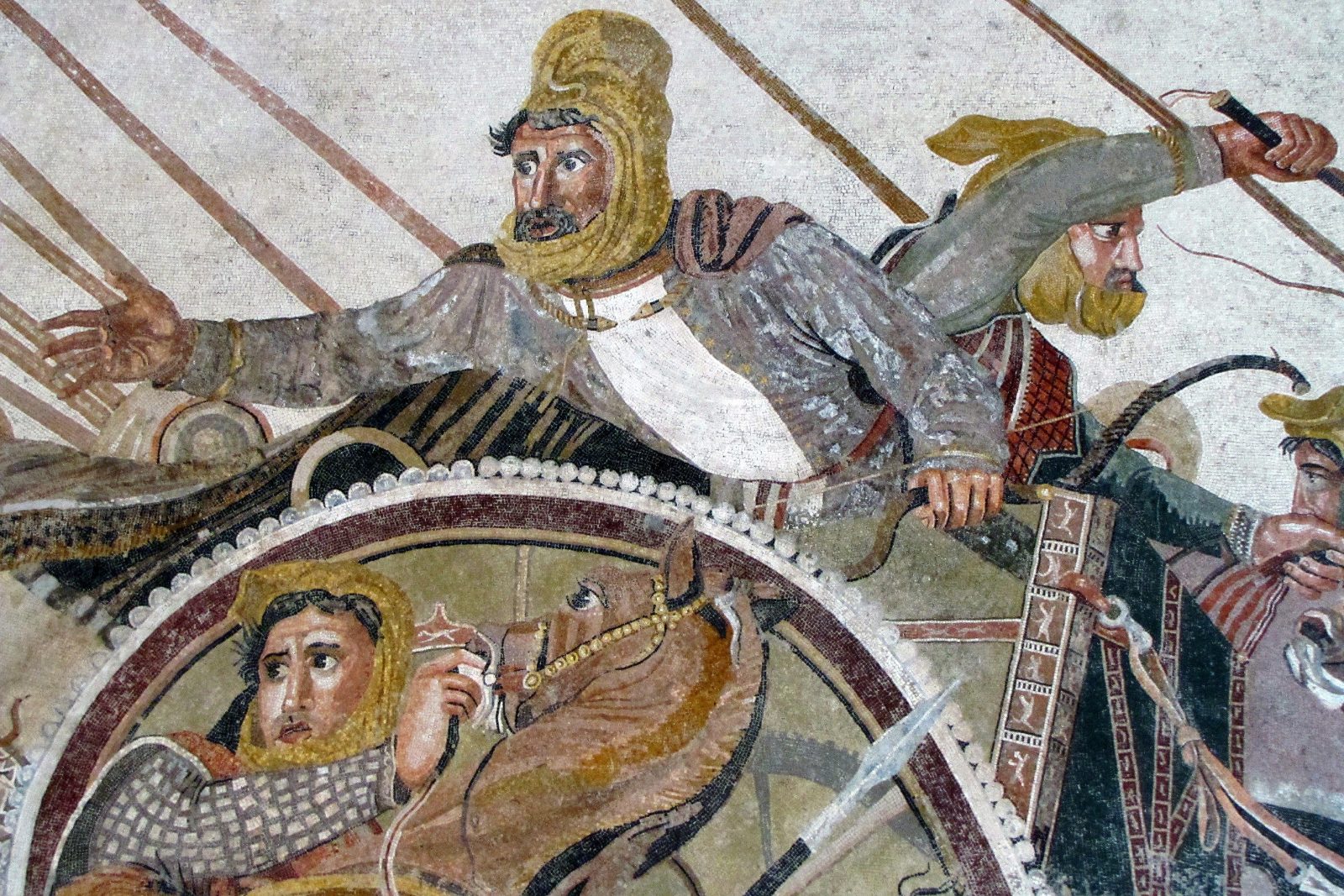
The mosaic depicts the Persian King Darius III in his chariot at the moment of his retreat, showing a clear expression of fear.
Notice the emotional contrast between the two leaders.
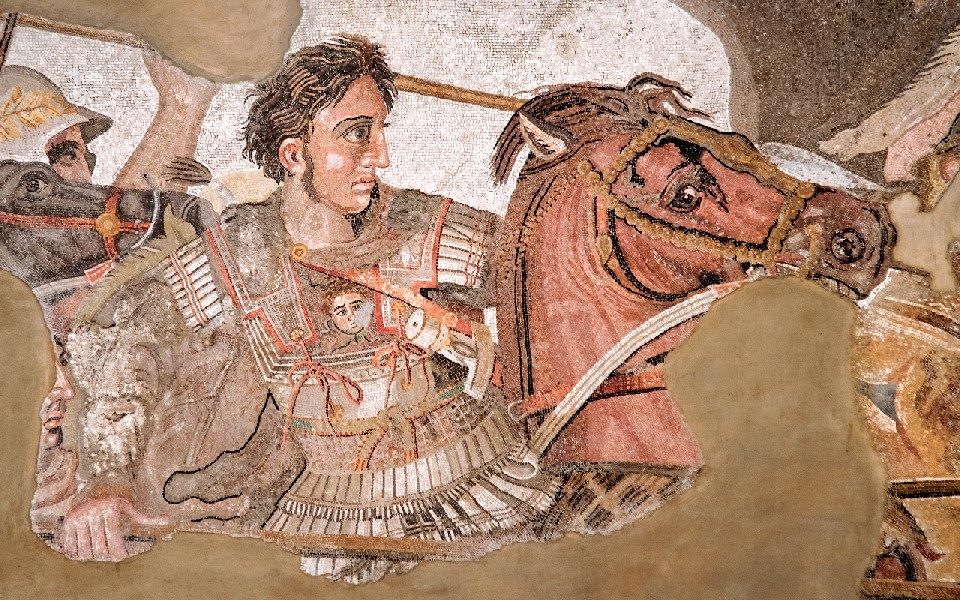
The figure of Alexander is shown charging into battle, his eyes fixed on his opponent despite the chaos of the surrounding conflict.
Observe the intense gaze captured in the mosaic tiles.
The naples national archaeological museum alexander mosaic was unearthed in 1831 during the excavation of the House of the Faun, one of Pompeii's largest and most opulent residences. Italian archaeologists discovered the floor mosaic in the exedra, a grand reception room designed to showcase the owner's wealth and cultural sophistication. The tesserae—tiny stone and glass tiles numbering approximately 1.5 million—formed a battle scene that had survived the volcanic eruption of Mount Vesuvius in 79 CE. The mosaic's exceptional preservation and monumental scale, measuring roughly 2.72 by 5.13 meters, immediately distinguished it as an extraordinary find. Historians believe the mosaic replicates a lost Greek painting from the late fourth century BCE, likely created by Philoxenos of Eretria or another Hellenistic master. The composition depicts Alexander the Great confronting the Persian king Darius III, probably representing the Battle of Issus in 333 BCE. Roman craftsmen embedded this image into the Pompeian villa floor sometime between 100 and 80 BCE, during the city's prosperous period under Roman rule. The mosaic's transfer from Pompeii to Naples began in the mid-nineteenth century as the Bourbon rulers consolidated archaeological treasures into a centralized repository. By 1843, conservators had carefully removed the fragile tesserae panels and transported them to the Royal Bourbon Museum, the institution now known as the Naples National Archaeological Museum. Restoration specialists stabilized the ancient opus vermiculatum technique, in which minute tiles create painterly gradations of color and shadow. Today, visitors encounter the Alexander Mosaic displayed in a dedicated gallery on the museum's mezzanine level, where controlled lighting protects the delicate surface while revealing the compositional drama that captivated Pompeii's elite two millennia ago.
Alexander the Great defeats Darius III at the Battle of Issus, the probable subject of the original Greek painting.
Roman craftsmen install the mosaic floor in the House of the Faun's exedra in Pompeii.
Mount Vesuvius erupts, burying Pompeii and preserving the mosaic under volcanic ash.
Italian archaeologists excavate the House of the Faun and discover the Alexander Mosaic in the reception hall.
Conservators transfer the mosaic panels to the Royal Bourbon Museum in Naples for preservation.
The museum completes a major restoration of the tesserae, stabilizing the ancient tile work.
The Alexander Mosaic remains on permanent display in the Naples National Archaeological Museum's mezzanine gallery.
The Naples National Archaeological Museum is open daily, with the exception of Tuesdays.
Everything you need to know about naples national archaeological museum alexander mosaic
You can find this iconic floor artwork displayed within the grand halls of the Naples National Archaeological Museum in Italy. It serves as the centerpiece of the institution's extensive collection of Roman antiquities.
Yes, this famous depiction of the Battle of Issus was recovered from the House of the Faun in the ruins of Pompeii. It is widely considered one of the most significant Roman mosaics ever discovered.
General admission to the museum is 20 EUR per person, which grants access to the gallery housing this artifact. Please check the official site for any specific entry requirements.
The museum is open from 09:00 to 19:30 every day except Tuesday. Visiting between 09:00 and 11:00 is recommended to avoid peak crowds and ensure a better viewing experience.
While you do not need a specific ticket for the mosaic itself, you should purchase general admission tickets via the official site to guarantee your entry. This ensures you can access all permanent collections during your visit.
Photography is generally permitted for personal use, provided you do not use flash or tripods. Respecting the preservation of this fragile tesserae work is essential for all visitors.
Most visitors spend several hours exploring the vast galleries to fully appreciate the historical context of these Pompeian treasures. Planning for a half-day visit allows enough time to examine the details of this historic floor decoration properly.